
Space and astrophysics
Apollo 11 Landed in a Very Different Kind of Dust
Historical event:
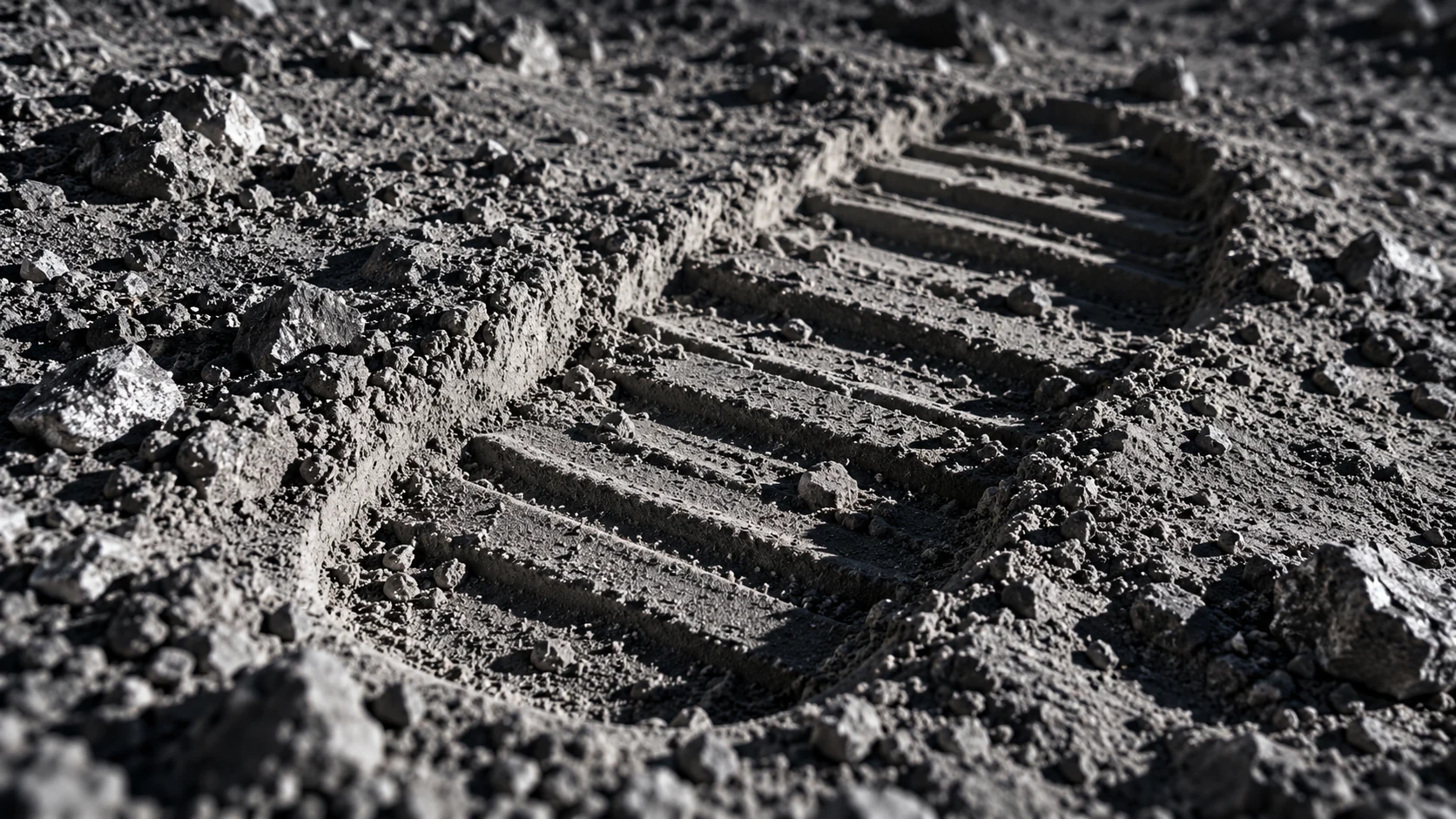
On July 20 in 1969, Apollo 11's Eagle landed in the Sea of Tranquility. Neil Armstrong and Buzz Aldrin were on the lunar surface; Michael Collins remained in lunar orbit aboard Columbia. The achievement was enormous. Under the lander's feet was something much smaller that would become an enduring engineering problem.
Lunar dust is part of the Moon's regolith, the layer of fragmented material covering its surface. It is easy to look at a footprint photograph and mentally substitute the dust of an ordinary path. NASA's accounts explain why that substitution misses the point.
The material has been produced and altered through the Moon's long history of impacts and exposure. Its particles can have sharp, freshly fractured surfaces. Unlike familiar grains affected by moving water and wind on Earth, lunar particles do not undergo those same processes of smoothing.
A little material, a lot of trouble
Across the Apollo missions, dust reached equipment and the interiors of spacecraft as astronauts moved in and out. NASA records problems including interference with mechanisms and instruments, radiator performance, and damage to spacesuits. The dramatic mission had a stubbornly practical maintenance chapter.
This is one of the most interesting things about exploration. Reaching a place is only the start of learning how to work there. The environment answers assumptions with actual behavior. A word as familiar as dust can conceal an unfamiliar set of physical properties.
The distinction matters on a photograph, too. A gray coating on a suit doesn't tell you everything about the grains making it up. Size, shape, and the environment around the material affect what happens when people and machines encounter it. A visible nuisance can be a much more demanding technical problem.
Later research into lunar dust has involved specialized materials and technologies designed for that environment. It is a fitting sequel to Apollo: the memorable footprint is also a record of people encountering a material whose behavior they had to learn through experience.
The useful connection is more modest: identify the material before deciding how to deal with it.
Bring the question back to Earth
After renovation work, describe the dust or debris to the project lead and confirm what produced it before treating it as routine soil. Unknown material, or known or suspected hazardous dust, needs appropriate assessment and controls. The appearance alone doesn't establish a safe method.
For example, OSHA's construction silica guidance places specific limits on housekeeping practices that could create exposure. That is a reason to involve the responsible qualified parties, not to improvise a general clean-up recipe from a short article. Likewise, the finished surface's own care requirements matter before gritty material is moved across it.
For the business owner, the first useful question is what work remains and who is responsible for each condition. That helps separate ordinary post-construction cleaning from issues requiring specialist handling.
Preparing an Orange County workspace after renovation? Tell JLV about the project and its post-construction cleaning needs. Once the site's materials and responsibilities are clear, let's plan a thoughtful landing for the finished space.