
Science
An Unexpected Discovery in 1938 and the Importance of a Coating
Historical event:
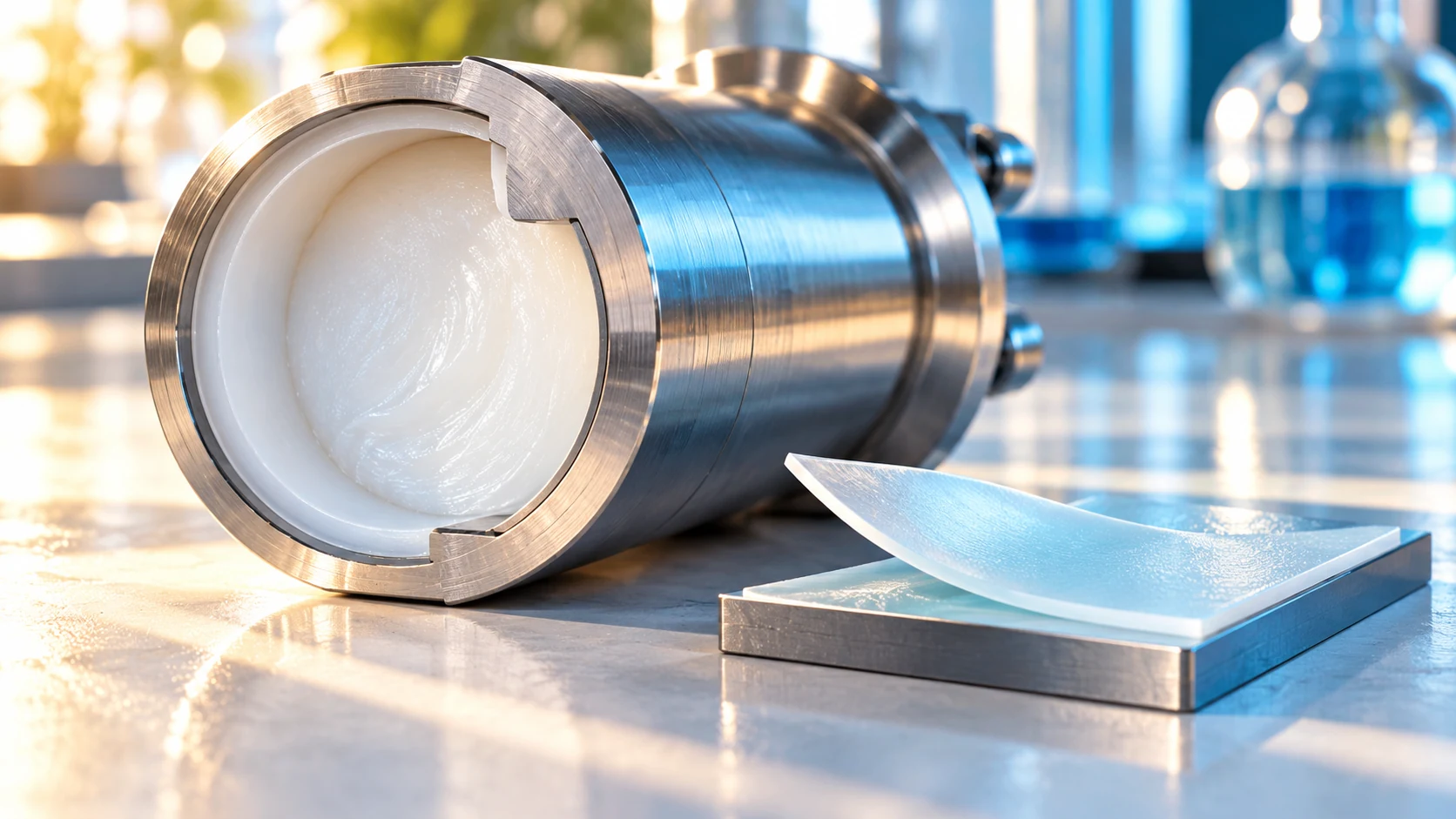
The experiment began with an expectation about a gas. On April 6 in 1938, Roy Plunkett and his colleagues encountered a surprise: a stored sample of tetrafluoroethylene had become a white, waxy solid. The material was polytetrafluoroethylene, better known by its initials, PTFE.
Plunkett had been working on gases related to refrigerants. The result did not fit the immediate purpose of the work, but it was too interesting to dismiss. What looked like an interruption became the beginning of a material with a very different future.
The cylinder still had weight even though its gas would not flow. That mismatch gave the researchers a concrete clue to pursue.
Chemours' Teflon history separates the discovery from the brand that followed it. The Teflon trademark was registered in 1945, and products were sold commercially under that name beginning in 1946. A laboratory event, a trademark, and a commercial introduction are three milestones, not one interchangeable date.
The American Physical Society's account adds the practical setting: Plunkett and his assistant Jack Rebok were preparing their experimental apparatus when a cylinder failed to behave as expected. The discovery rewarded investigation of the unexpected result. A container that appeared to have stopped being useful still had something to teach them.
Look beyond the obvious material
The appeal of the story is the moment between surprise and explanation. The researchers could see that their expectation was wrong. Establishing what had happened required a closer look. Naming the new substance came after observing it.
That is a useful order to remember whenever an object looks simpler than it is. We casually say “glass,” “metal,” or “the screen,” naming the part that seems most obvious. Yet the surface we encounter may include a coating, a film, or a treatment whose identity is not visible from across the room.
A coating can be the part you touch while the material underneath supplies the everyday name. That makes the owner or installer's records worth finding: they can explain something a quick look cannot.
For a workplace walkthrough, ask the owner about protective films, decorative coatings, and product-specific care records. Pay particular attention when a new installation still has residue or temporary materials near it. Record the location, find the relevant instructions, and distinguish cleanup from work that belongs to the installer.
Keep an unresolved finish question with the installer or owner until the right information is available. There is still plenty to accomplish in the meantime: name the area, describe the residue, and decide which parts of the completed space are ready for ordinary cleanup.
Have a new finish or an unfamiliar surface in your Orange County business? Bring it into the conversation with JLV about office cleaning or post-construction cleanup. Let's start with a closer look.