
Science
Nylon's 1938 Announcement and the New World of Synthetic Fibers
Historical event:
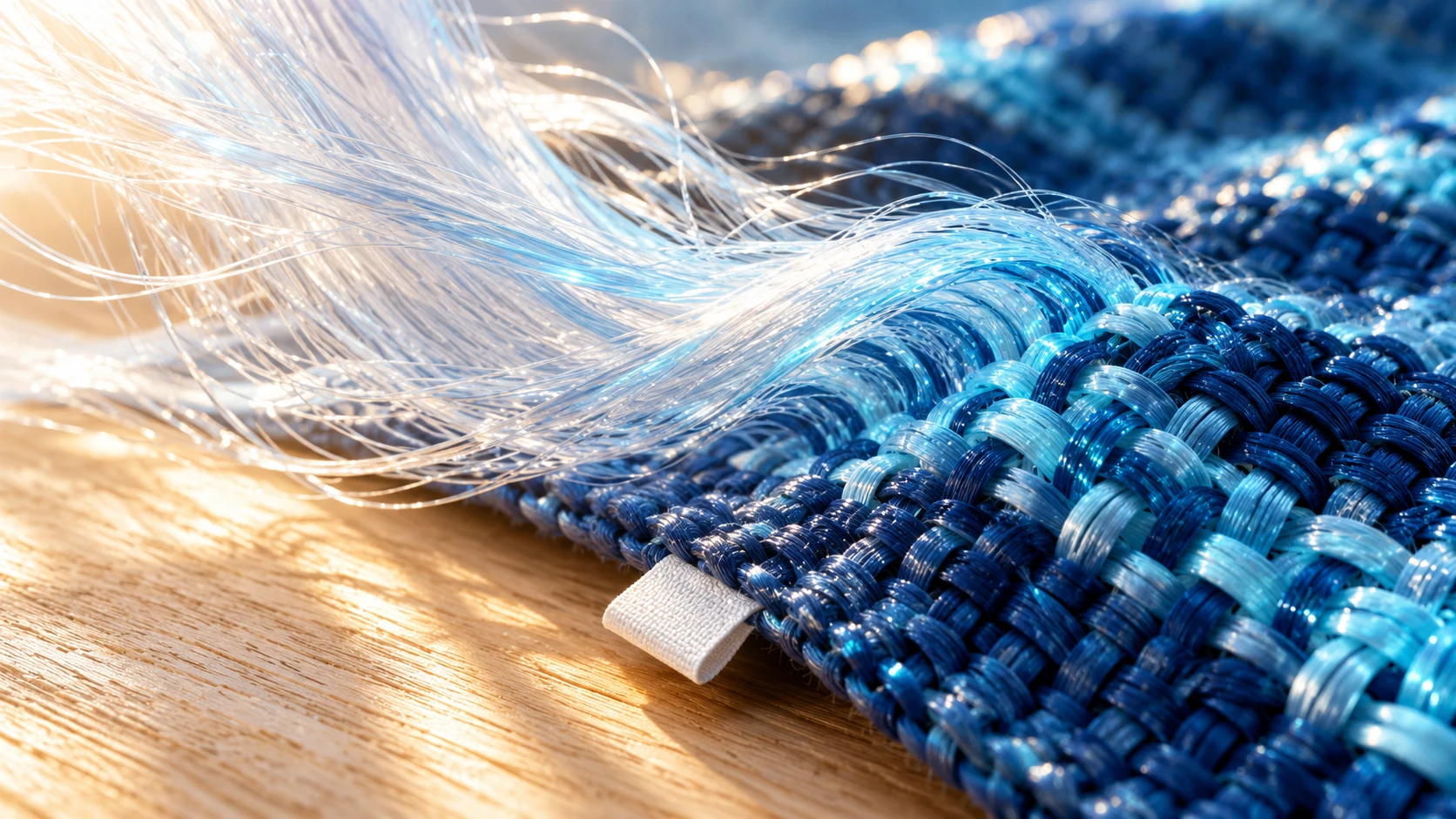
On October 27 in 1938, Charles Stine announced nylon at a New York forum carried in a nationwide broadcast. DuPont had a new fiber to introduce, and the public was about to meet a name that would become remarkably familiar.
The announcement followed research associated with Wallace Carothers and his colleagues. Their work explored polymers: large molecules built from repeating smaller units. But making a promising substance in a laboratory did not automatically produce a useful thread, a reliable manufacturing process, or a finished object people could buy.
The American Chemical Society's history gives the engineering its due. Producing uniform nylon filaments required work on spinning, drawing, equipment, and even the surface treatment used during processing. A new material asked new questions all along the production line.
Hosiery became a celebrated early destination, but small amounts of nylon were also used for toothbrush bristles by 1938. Nationwide stocking sales followed in May 1940. The timing matters: announcement, industrial production, and widespread consumer availability unfolded as separate stages.
The molecule is only the beginning
There is something satisfying about that extended journey. The public meets a finished product and gives it a short name. Behind the name sit choices about form, manufacture, and use. A fiber needs to work as part of something larger than itself.
Imagine following a thread backward from an object. Before the object there was a design. Before the design could be produced consistently, there had to be a way to form and handle the material. Behind that were experiments about what the material could become. The simple word on a label is the end of a long conversation.
That is why a workplace material label is worth reading carefully, but also worth supplementing. A carpet or upholstered chair is a finished product with its own construction and care information. Identifying a fiber does not answer every question about the item around it.
For an office owner, a practical step is to keep the product's specifications and care instructions together. Record which room or item they belong to. If information about the backing, finish, or upholstery is missing, flag that gap before choosing a cleaning method instead of allowing a familiar fiber name to settle the matter.
This can be especially useful after a refit, when several new products arrive at once. The installation paperwork may seem like one more thing to file away. Connecting it to the actual room turns it into a useful guide for later decisions.
Nylon's history is a story of carrying a promising idea all the way into a usable form. Your workplace's finishes deserve a similarly complete introduction.
New carpet or seating in your Orange County office? Bring the product details into your cleaning conversation with JLV. Let's give the room's newest materials a useful introduction and keep the right information close at hand.