
Space and astrophysics
Hubble's Mirror Problem Needed a Precise Answer
Historical event:
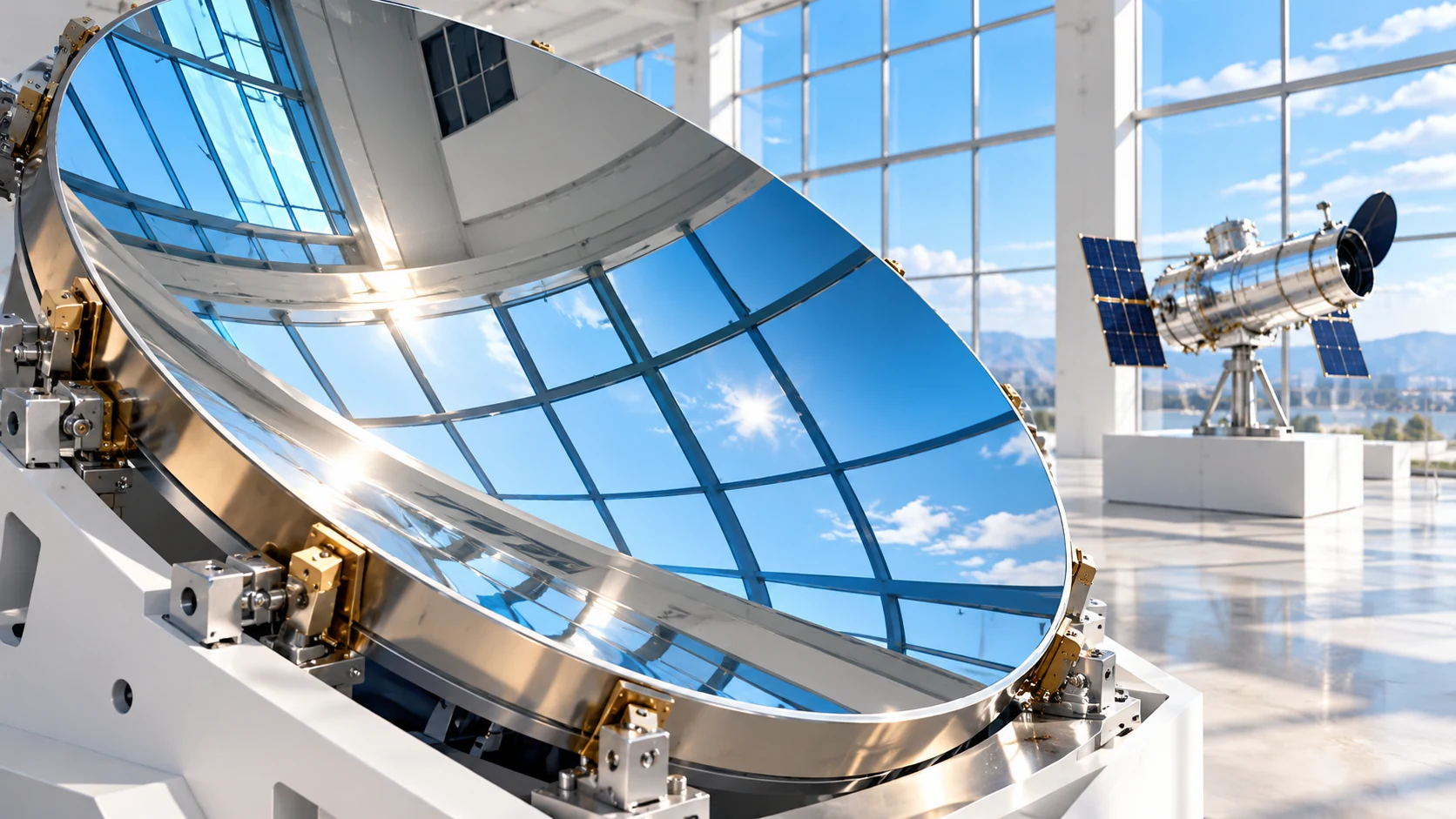
On April 24 in 1990, the Hubble Space Telescope launched aboard the space shuttle Discovery. The aim was to give astronomers a powerful observatory above the atmosphere's distorting effects. Once operations began, the images revealed an unwelcome surprise: the telescope's view was blurred.
The problem was a flaw in the shape of the primary mirror, known as spherical aberration. NASA's history traces it to a miscalibrated measuring instrument used during manufacture. The mirror could look spectacular in a photograph of the hardware and still fail to bring light into the intended focus.
For an instrument built around precision, a small physical difference had large consequences.
The fix went beyond the surface
Hubble wasn't simply discarded. Engineers and scientists worked out how to compensate for the optical error. In December 1993, astronauts installed the Wide Field and Planetary Camera 2, which incorporated corrective optics, and COSTAR, a corrective system for other instruments.
The distinction is important: the primary mirror wasn't replaced during that mission. The new optical arrangements corrected the way the system handled the light. It was an answer to an identified problem, developed for a very particular instrument.
NASA describes COSTAR as functioning rather like a pair of eyeglasses. That is an accessible comparison, provided we remember the extraordinary engineering behind it. The telescope, its instruments, the astronauts' tools, and the servicing plan had to work together.
The launch and the repair therefore belong to separate chapters. April 1990 brought the observatory into space. December 1993 brought a major correction to its capabilities. Combining those dates into a single triumphant opening would erase the part of the story where people had to respond to evidence that the result wasn't what they expected.
That recovery is one of the most compelling things about Hubble. Precision includes the willingness to investigate what has gone wrong and to use a solution matched to the actual condition. An impressive-looking surface is only one small part of an optical system's purpose.
Some workplace surfaces need a boundary
An office display is a long way from a space telescope, but the word glass can still hide important differences. Apple, for example, publishes separate instructions for its nano-texture displays, including the supplied polishing cloth. The correct care depends on the particular product, not simply on the fact that it has a screen.
Before routine office cleaning, identify displays, specialist optics, and coated glass that require owner instructions or separate handling. Keep them outside the ordinary scope until authorization and the relevant care guidance are clear. An exterior window method should not automatically become a screen method.
For the business owner, the practical takeaway is to make exclusions visible during the planning conversation. Name the item, explain who is responsible for it, and provide the manufacturer's directions where needed. That is more useful than expecting every delicate object to be recognized on sight.
For your Ontario office, a sharper first impression can start with everyday details: the entrance, the meeting room, and the surfaces visitors see. Talk with JLV about the cleaning priorities you want to bring into focus.