
Exterior & outdoor cleaning
How to Clean Aluminum Outdoor Furniture
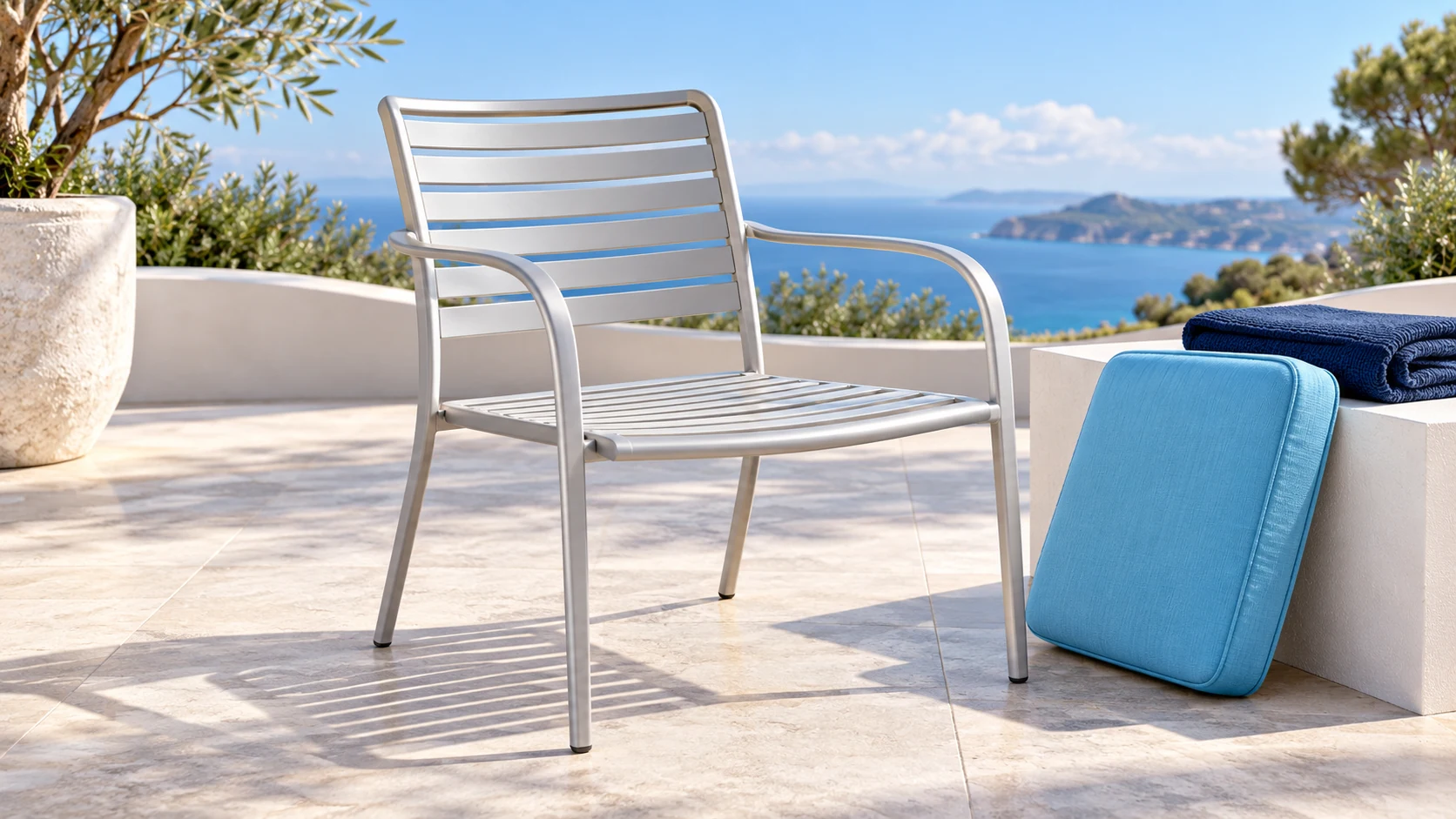
Quick answer
For painted or powder-coated aluminum outdoor furniture, use the maker’s approved mild cleaner with a soft cloth or sponge, rinse and dry. Treat exposed metal, painted frames, slings and tabletops as separate materials. A white or dull patch may be a finish problem, so identify it before reaching for metal polish.
Before you start
Confirm that the frame is aluminum and determine whether it is coated, anodized or bare. This guide is for intact coated furniture and ordinary dirt. Tropitone’s painted-aluminum care recommends gentle soap cleaning and a thorough rinse. Its instructions do not mean every finish tolerates the same polish, wax or stain remover.
Supplies
- A soft cloth or sponge, a gentle detail brush if approved, and clean drying towels.
- One cleaner approved for the frame finish, clean water and label-required gloves or eye protection.
- A stable cleaning position, suitable help for moving heavy pieces and a way to collect wash water.
Step-by-step method
- 1. Check the dry furniture before moving it. Inspect legs, welds, fasteners, adjustable mechanisms and foot glides. Remove a piece from use if it wobbles, cracks or has a damaged support. Cleaning is a good opportunity to find a defect, but not to certify that a chair is safe.
- 2. Remove loose cushions and accessories as their maker allows. Lift the furniture with help instead of dragging it across a deck or using a chair as a work platform. Work on stable ground away from electrical items, public walking routes and storm drains.
- 3. Lift loose ordinary dirt with a soft cloth, using a clean face frequently. Pay attention to joints and the underside of armrests. Avoid scraping accumulated residue with a knife or wire brush, particularly where the coating is already thin.
- 4. Test the approved cleaner on an inconspicuous coated area. Check the dry patch for gloss change, whitening, tackiness or color transfer. If the furniture has a decorative finish, do not assume a product intended for plain aluminum is suitable.
- 5. Wash the frame gently in manageable sections. Use a soft tool to reach around joints without forcing water into open tubes or mechanisms. Keep soapy water away from cushions, wood inserts and other surfaces until their compatibility is confirmed.
- 6. Remove the loosened soil, rinse thoroughly by the permitted method and collect the water. Dry accessible surfaces, especially around fasteners and joints. Do not turn a heavy piece upside down alone to chase a hidden patch.
- 7. Inspect again when dry. Separate remaining soil from chips, pitting and exposed metal. Report damaged coatings to the manufacturer or a refinishing professional. Replace cushions only after both cushions and furniture have dried and the piece is ready for use.
Check the result and avoid common mistakes
- Metal polish may remove or change a protective finish. Do not use it merely because aluminum is underneath.
- Avoid abrasive scrubbers, steel wool, strong acids and pressure washing unless the exact product instructions explicitly permit them.
- A coating protectant or wax is an optional, finish-specific maintenance step, not a universal requirement.
Keep it easier next time
Remove routine dust and spills before they become stubborn. Where coastal exposure leaves salt on the furniture, consult its maker about a suitable care frequency and inspect the sheltered joints as well as visible tops. Store only clean, dry cushions, and keep the furniture’s product details with any repair information.
When to stop
Stop for loose or cracked frames, peeling coating, persistent finish transfer or corrosion that affects a connection. Take unstable furniture out of service. A safe cleaning result means the existing finish remains intact; restoring damaged aluminum is a separate job.
A practical next step
For business and office cleaning or post-construction cleaning in Orange County, Chino or Ontario, California, contact JLV Cleaning and Maintenance to discuss your space at /contact/.