
Pop culture
WALL-E Gave the Maintenance Job a Leading Role
Historical event:
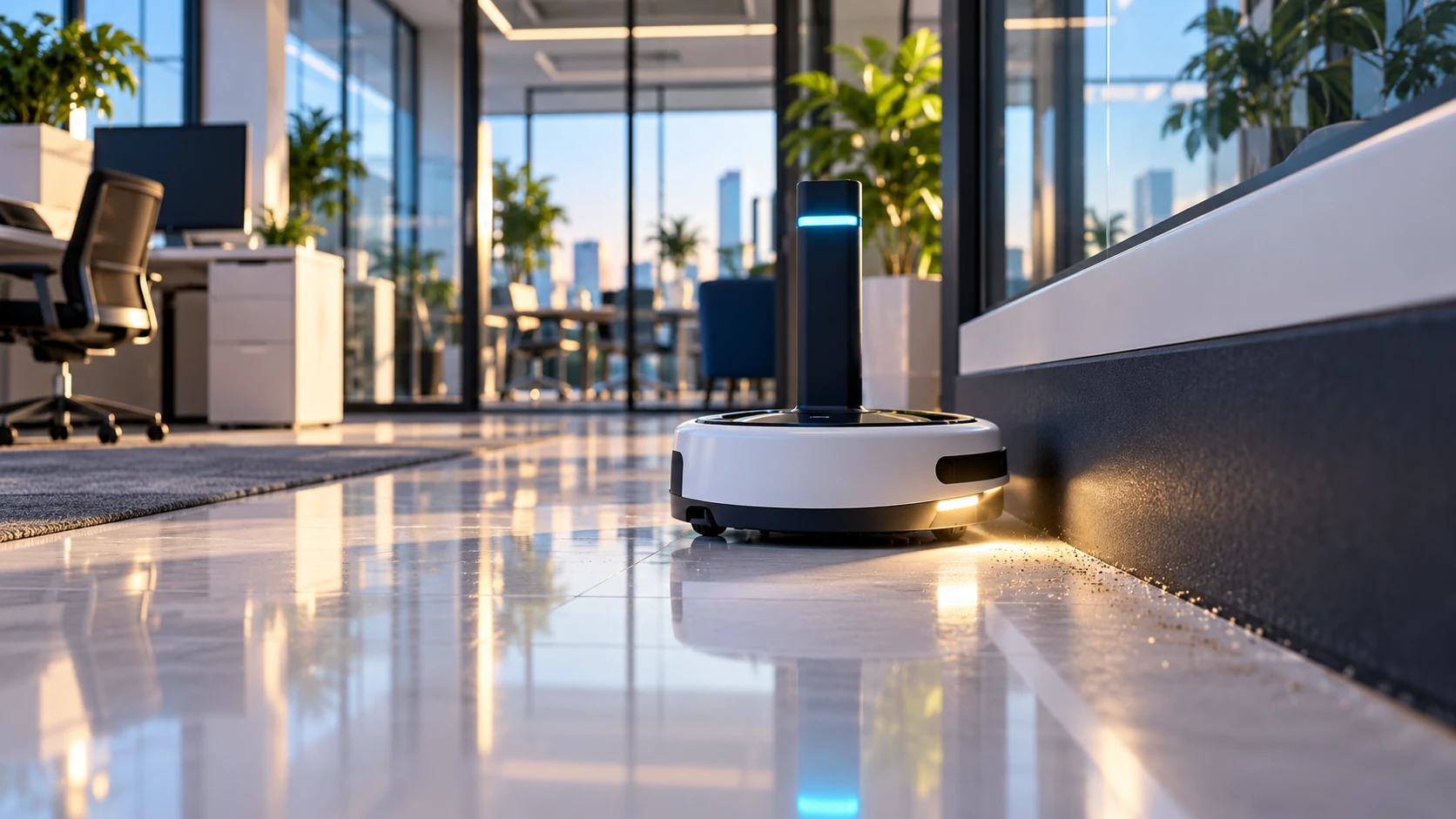
In many films, maintenance happens somewhere beyond the edge of the frame. WALL-E puts it in the center. On June 27 in 2008, the Pixar film opened in U.S. theaters with a small working robot at the heart of a very large, very untidy world.
His assignment is straightforward: compact the accumulated waste left on Earth. His curiosity makes the story less straightforward. Pixar describes a robot who has acquired a personality after centuries of the same work. The job keeps repeating, but the character keeps noticing.
That difference is the film's clever little engine. A task can tell him what to do with an object. Interest gives him a reason to look at it twice.
One minute, a whole world
Pixar's account of the production highlights a short sequence following WALL-E home. The filmmakers used ten elaborate sets to suggest Earth's history in a largely wordless minute. Buildings, objects, and the route through them carry the explanation.
The film also contains another cleaner, M-O, whose work aboard the Axiom is to deal with foreign contaminants. The two characters make different comic possibilities out of repetition and interruption. One has a long-established routine on Earth; the other encounters something that doesn't fit the expected order on a spaceship.
The contrast gives the film more than two funny robots. A repeatable job and an unexpected discovery can pull in different directions. WALL-E's curiosity makes the interruption worth watching: the routine takes care of the task, while the story begins with what catches his attention.
Even the film's visual worlds make that point. The dense, object-filled Earth and the controlled spaceship environment demand different ways of moving through a scene. A machine's apparent capability means little until you see the space where it must work.
That is a useful question to bring back down to an ordinary office floor.
Start with the room, not the gadget
Before discussing cleaning equipment, identify the actual work area. Where are the narrow edges? Which objects may be moved, and which belong to active work? Are there cords, delicate displays, or owner-restricted surfaces that need a separate conversation? These are scope questions, not obstacles to be solved by an impressive product description.
A practical walkthrough can record one normal route through the room and the places that need individual attention. The person responsible for the business can then clarify access and boundaries before any equipment or method is selected. A photograph of an open floor alone may leave out the details that determine the work.
For a business owner, this makes the conversation more concrete. Instead of asking whether a tool is powerful, ask whether the proposed plan suits this room and its daily use.
Tell JLV about your Ontario office, its daily routine, and the awkward corner everyone knows about. Let's put thoughtful cleaning in the spotlight, while the robots keep their movie careers.