
On this day
Pearl Street Turned the Light Bulb into a System
Historical event:
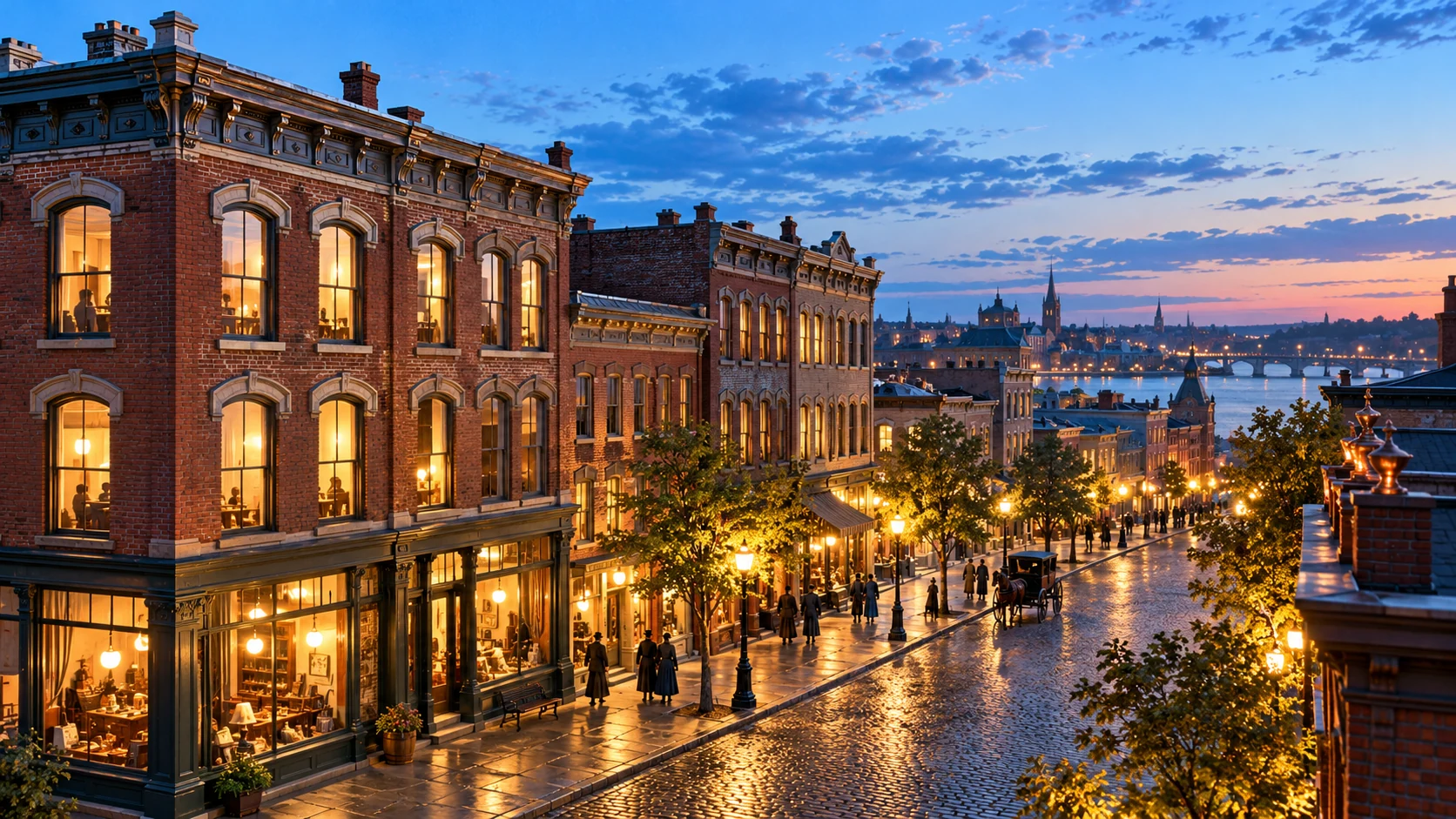
A light bulb attracts the attention. The wires, switches, fuses, and generating equipment have to settle for making the attention possible.
On September 4, 1882, Thomas Edison’s Pearl Street station opened in New York City. The National Park Service identifies it as the first commercial electric power station for incandescent lighting in the United States. That careful description matters. Electricity already had a history; this milestone concerned a particular system for delivering a particular kind of light.
The station was part of work that reached well beyond a bulb. According to the Edison park’s timeline, his team began developing electric lighting in 1878 while also working on the supporting dynamos, wires, switches, and fuses. A successful demonstration and a useful service were different engineering challenges. Pearl Street helped bring the pieces together.
The lesson hiding behind the glow is wonderfully practical. An invention becomes part of daily life when people can rely on the arrangements around it. The visible result may be simple, even when the supporting work is anything but.
There was an elephant in the engineering
The generators earned the nickname “Jumbo,” after the famous elephant exhibited by P. T. Barnum. The Thomas Edison Papers at Rutgers describes a design developed with steam-engine maker Charles T. Porter: a large generator directly coupled to a high-speed engine. Mechanical engineer Charles Clarke supervised construction and testing. The nickname was memorable; the collaboration made the machine.
Manufacturing the rest of the system required more than one workshop. The Edison Machine Works made dynamos, the Electric Tube Company made insulated underground conductors, and Bergmann & Company produced smaller components. Before an illuminated room could appear effortless, specialized work had to meet across factories and city streets.
That changes the familiar inventor-and-light-bulb picture. The question was no longer simply whether a lamp would glow. Could the components be made, installed, connected, and used together? Commercial lighting turned a scientific result into an everyday arrangement people could depend on.
There is a human pleasure in noticing those supporting names. A great deal of history becomes clearer when we look past the most visible object. The bulb belongs to the story, but so do the engineers, factory staff, and conductors beneath the pavement.
Know what the workspace depends on
A modern office has its own hidden connections. A box or cable that looks movable may belong to a setup the team needs left in place. Before cleaning nearby, identify accessible surfaces, equipment that stays untouched, and the person who can authorize any change.
These are planning decisions, not electrical instructions. Repairs and disconnections belong with authorized people. A clear boundary helps care for the room without making the next workday a troubleshooting session.
Have a business in Chino, Ontario, or Orange County? Talk with JLV about a cleaning scope that fits the setup you use. Let’s put a little more light on the details.