
On this day
Carnegie Hall Opened with More Than One Star
Historical event:
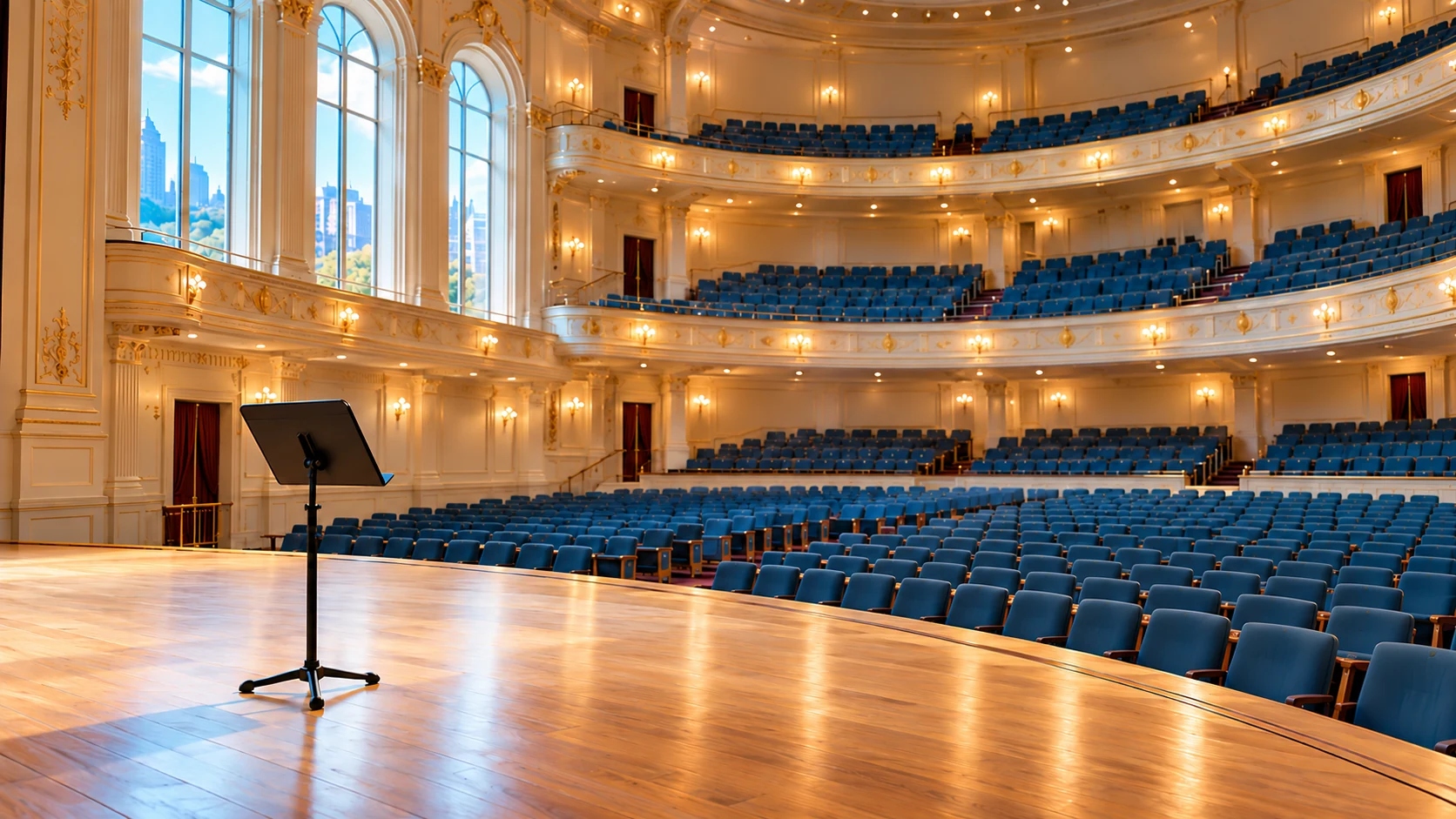
The guest conductor was Tchaikovsky. The room still managed to attract reviews of its own.
On May 5, 1891, New York’s new Music Hall opened with a concert featuring Pyotr Ilyich Tchaikovsky and Walter Damrosch. The venue later known simply as Carnegie Hall began its public life with a five-day festival. Its own history describes a packed Main Hall and horse-drawn carriages stretching along the streets outside.
The opening program had several voices. After a dedication speech, Damrosch conducted music including Beethoven’s Leonore Overture No. 3. Tchaikovsky took the podium for his own Marche solennelle. Damrosch returned to close with Berlioz’s Te Deum. Even an evening remembered for one celebrated visitor was a shared production.
The official history notes that reviewers paid close attention to the hall itself. That is an unusually revealing detail. People had arrived to hear music, yet the place in which they heard it became part of the occasion.
The project’s beginnings were less formal than its opening night. In 1887, Damrosch met Andrew Carnegie and his new wife, Louise, on a ship crossing the Atlantic. A friendship developed, and the idea for the concert space grew from their conversations. Carnegie Hall’s account of its founding gives an ocean voyage an unexpected place in New York’s musical geography.
It is easy to read that story backward, with the famous building already in mind. But a conversation about a hall and a crowded opening night are far apart. Between them lie the choices that turn an ambition into somewhere people can actually gather.
An audience experiences that work as a whole. A ticket does not ask the listener to separate the composer, the conductor, the room, and the arrangements that made the evening possible. The achievement is that those contributions can meet without demanding equal attention.
Give people room to concentrate
That idea has a smaller, everyday application in an office. Some moments need the room’s attention: a client call, an interview, a recording, a presentation. Cleaning belongs in the plan around those moments, with its timing discussed rather than assumed.
Identify the genuinely noise-sensitive periods when arranging office service. A room that looks empty may be about to host a remote meeting, and an adjoining space may matter as much as the room itself. Ask the people using it which windows work and which restrictions need to be shared.
A short note about those quiet periods lets everyone plan around the room's real purpose. The business owner can give both the presentation and the cleaning their place in the day, without another last-minute interruption to untangle.
For an Orange County office with a busy calendar, JLV can discuss a cleaning plan around the moments that matter. Tell us when your team needs the room kept in tune.