
Science
Micrographia Made the Familiar Worth a Second Look
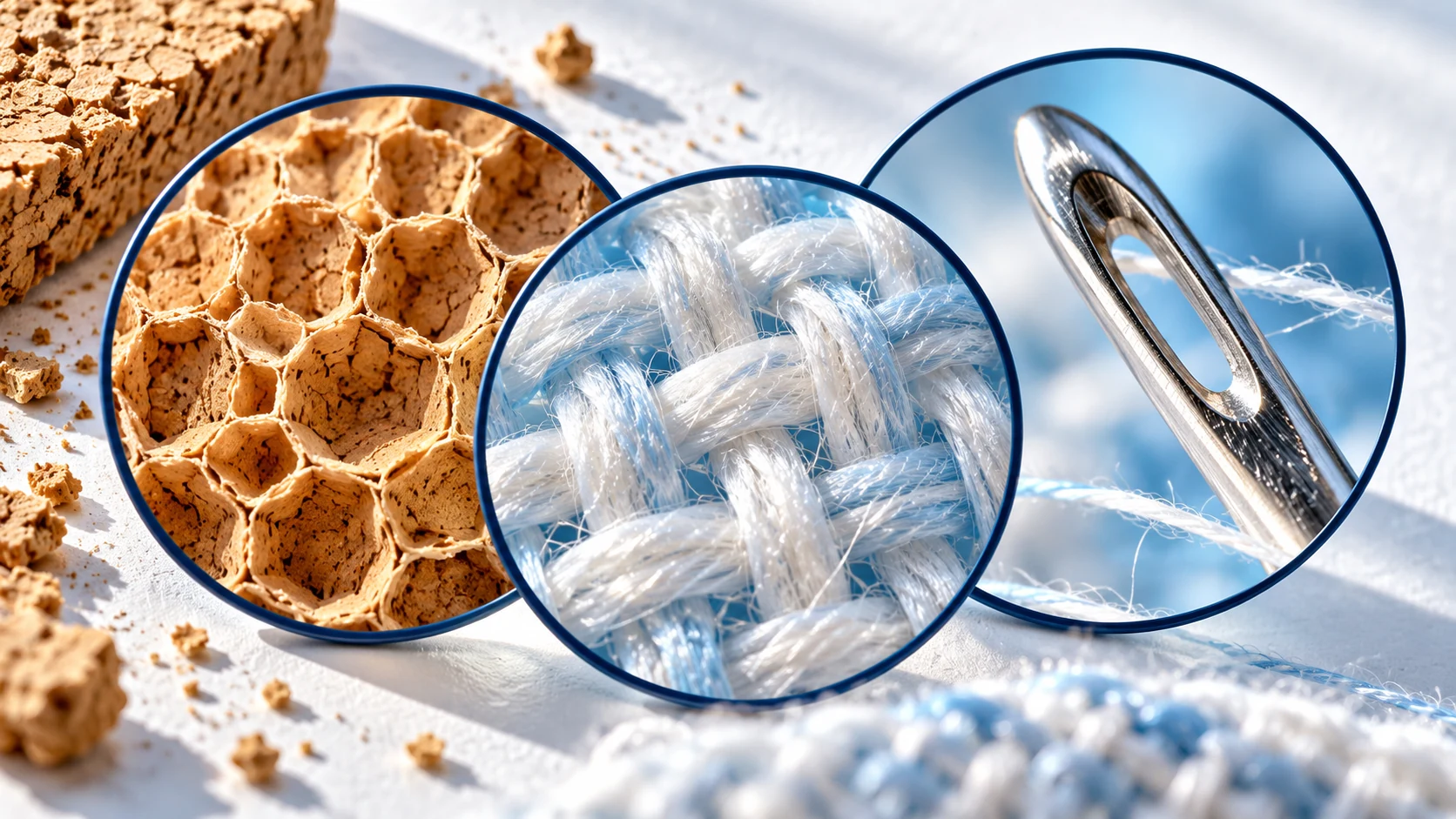
A flea is easy to overlook. A flea enlarged across an engraved plate is quite another matter. In 1665, Robert Hooke's Micrographia invited readers to encounter familiar things at an unfamiliar scale, and the result could feel as dramatic as travel to a distant place.
The book is remembered for its illustrations, but the Royal Society's account emphasizes the work behind them. Hooke paid close attention to the engraving of the plates. He recorded magnification and specimen preparation, giving readers information about how the observations had been made.
The physical book helped deliver the surprise. Some images folded out beyond the normal page. The Royal Society describes the louse illustration opening to nearly twice the size of the book. A tiny creature could quite literally demand more room than the reader expected.
The page changes the viewpoint
That is an ingenious piece of communication. A printed illustration cannot hand the reader the living specimen or the instrument. It can guide attention toward structures that are otherwise easy to miss. The fold-out format lets size become part of the experience rather than an abstract number in the text.
Hooke's work also belonged to a wider scientific community. The Royal Society notes that many observations followed requests made at its meetings, and places the book alongside the work of other microscopists. The celebrated image had a network of questions behind it.
In the digital edition, the reader can unfold a plate with a click. The motion is different from opening a seventeenth-century page, but the change in perspective survives. What seemed small and simple becomes intricate enough to spend time with.
The enduring charm is that the subject didn't need to be exotic. Attention made the familiar surprising. A careful description also made that surprise something another person could examine, rather than merely admire.
There is a modest everyday version of that idea in how we look at office materials. A surface that appears uniform from the doorway may reveal texture, seams, or a coating on closer inspection. That observation should prompt identification, not an assumption that more force will produce a better cleaning result.
For a useful walkthrough, choose one visually confusing surface and locate the owner's or manufacturer's care information. Is it coated? Is it a textile? Is the visible pattern part of the material itself? Keep unanswered questions in the scope discussion until the right guidance is available.
A good description turns a vague concern into something useful: dust along a seam, a mark near a handle, or a textured panel whose finish needs identifying. Keep the actual item's care instructions with that note. Now the next conversation has a place to begin.
Take a fresh look around your Chino workplace, then tell JLV which cleaning details you noticed. A little curiosity can give a familiar room a welcome second chapter.