
Science
A Clear Roll of Tape Had a Surprisingly Sticky Start
Historical event:
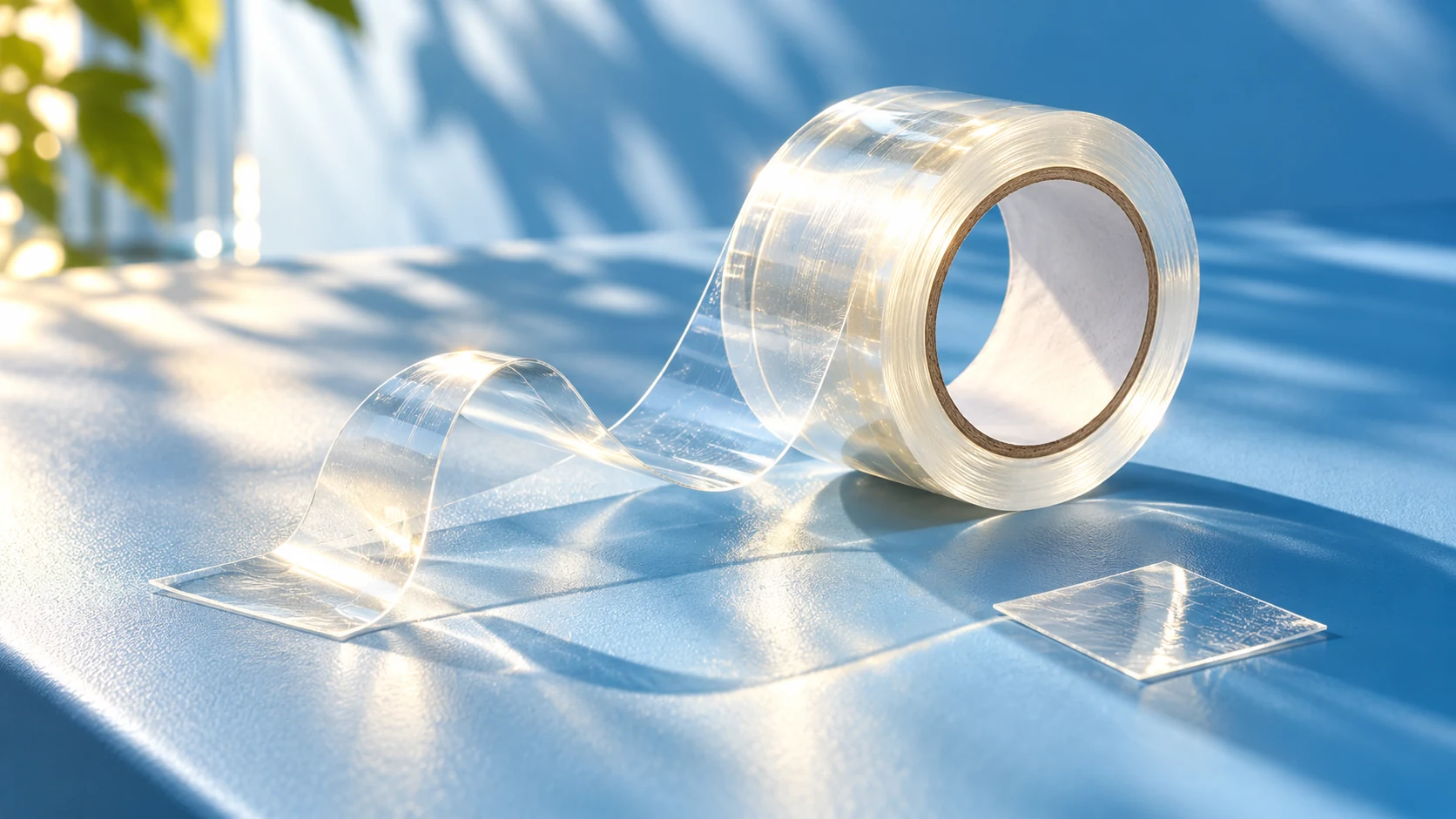
Transparent tape has a talent for making its engineering disappear. You pull a strip, press it down, and expect the backing and adhesive to behave as one. Getting that simple experience right was the difficult part.
On September 8, 1930, 3M sent its first roll of cellophane tape to a prospective customer. The American Chemical Society records that specific shipment milestone in its history of Scotch Transparent Tape. It was the result of development work by Richard Drew and his team, rather than a one-day invention.
Their problems were stubbornly physical. Cellophane could curl, split, or tear during processing. Adhesive did not spread evenly, and the amber-colored adhesive used for masking tape spoiled the appearance of a transparent backing. The team developed machinery and a nearly colorless adhesive, with a primer helping the layers work together.
Even a successful roll did not guarantee an obvious market. A new heat-sealing process reduced the need for tape in some packaging applications. The product had to find useful work beyond the problem that first encouraged its development.
The small invention around the invention
3M’s own history places Drew’s earlier masking tape in 1925, when he noticed a problem faced by auto-body painters. It records the transparent tape launch in 1930 and a handheld dispenser arriving in 1939, initially made from stamped metal and followed by a plastic version.
That dispenser belongs in the story. A material can be clever and still need an easy way to be stored, unwound, and cut. The object most people picture on a desk is therefore several ideas working together: backing, adhesive, roll, and holder.
The appeal is the ordinary convenience. A roll can wait quietly in a drawer until a small task calls for it. That familiarity can hide the testing and manufacturing choices that made the tool useful in the first place. A clear strip looks simple because its complications have already been handled.
Temporary has a habit of staying
In a workplace, a temporary label or strip of tape can outlast the reason it was put there. Before arranging removal, ask two questions: is it still needed, and what exactly is it attached to? A label on equipment may serve a purpose that is not obvious to someone seeing it for the first time.
For renovation leftovers, give the cleaning provider any available information about the surface and tape. Agree on removal as a specific task and seek appropriate product or manufacturer guidance when the material is uncertain. There is no single removal method to assume for every finish.
Planning a workplace cleanup after an Orange County renovation? Tell JLV where the temporary fixes have lingered. Let’s discuss post-construction cleaning before the details become a sticking point.