
Science
The Metre Convention: Getting on the Same Measure
Historical event:
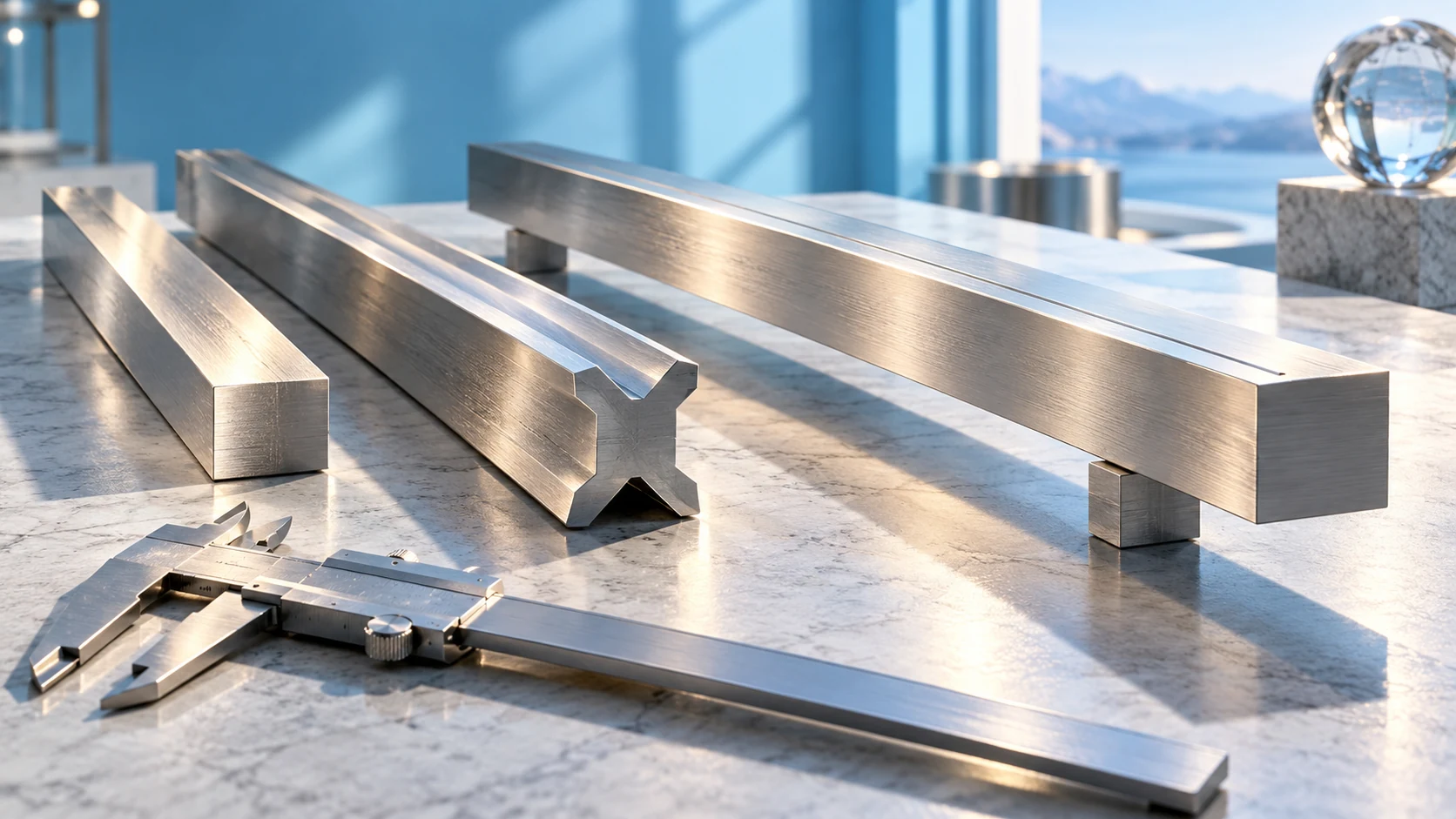
If two people agree that something is one metre long, they still need a reason to trust that they mean the same metre.
On May 20 in 1875, representatives of seventeen nations signed the Metre Convention in Paris. The treaty established the basis for an international organization devoted to measurement: the Bureau International des Poids et Mesures, or BIPM.
The interesting part is how practical the agreement was. It did more than announce enthusiasm for consistent units. The signatories committed to a permanent scientific bureau, funded together, with an international committee and a general conference providing oversight.
The treaty's original provisions assigned the bureau specific tasks involving the metre and kilogram prototypes. These included comparing and verifying the standards, preserving the international prototypes, and comparing national standards with them.
That is a less glamorous picture than a single universal ruler appearing overnight. It is also a more convincing one. Shared measurement requires institutions, records, comparisons, and people responsible for maintaining confidence in the result.
The BIPM's account notes that the convention was amended in 1921, extending the organization's scope and responsibilities. The agreement created a framework that could continue developing. It did not instantly replace every country's daily measurement habits with one perfectly uniform system.
Think of the ordinary situations hiding inside the larger idea. A part made in one place needs to fit a part made elsewhere. A measurement written down today needs to remain meaningful to the person reading it later. The number is useful because the people involved share an understanding of what was measured and how.
There is something quietly reassuring about that kind of cooperation. You do not have to know the individual who made a measurement to benefit from a system designed to make it trustworthy. The familiar unit carries an enormous amount of agreement behind it.
An office is more than its square footage
A building's area is a useful starting number for a cleaning discussion. It cannot describe the whole assignment by itself. Two offices with the same floor area might have very different layouts, finishes, contents, and access arrangements.
Imagine one large open room and another divided into small offices around a reception area. Even before choosing any methods, the conversation needs more information. Which areas are in use? Which finishes are exposed? What can be reached? What has recently been renovated, and which areas are restricted?
Pair the area measurement with a room-and-surface inventory. State what the figure includes, then identify the fixtures, conditions, and access limits that shape the actual work. The purpose is a shared description of the space, rather than a pricing formula based on one number.
This is particularly helpful when the owner, property manager, and cleaning provider use different names for the same rooms. A short walkthrough can turn several private mental maps into one practical understanding.
JLV works with businesses in Orange County, Chino, and Ontario on office and post-construction cleaning. Let's take the measure of your space together, with enough detail to make the scope meaningful.