
On this day
The Louvre Pyramid and the Small Edges Around Big Glass
Historical event:
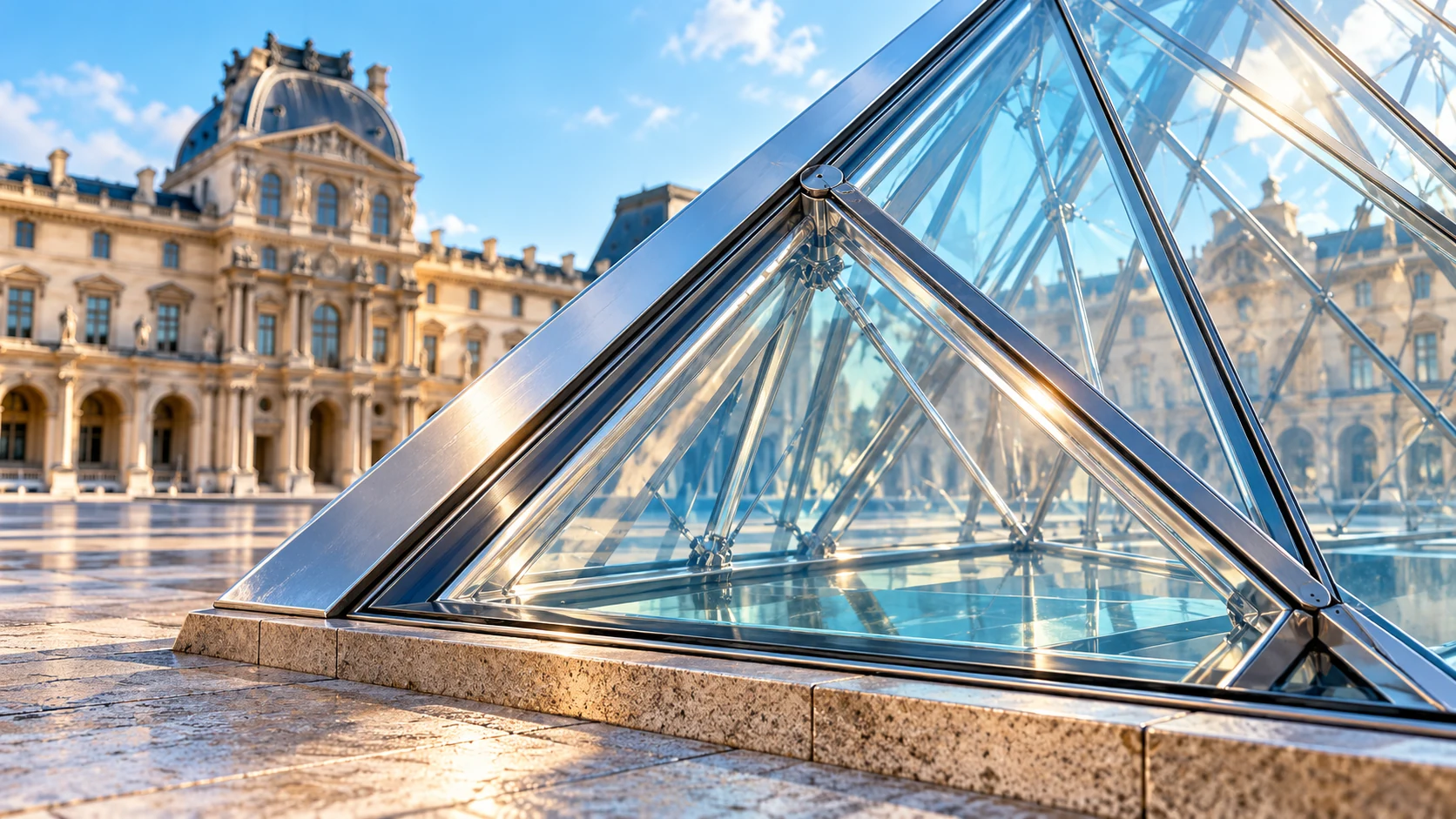
A glass pyramid in the courtyard of a historic palace is an excellent way to start an argument. It is also, as the Louvre discovered, a way to rethink how people enter a museum.
The Louvre dates the Pyramid's inauguration to March 29, 1989. Designed by I. M. Pei as part of the Grand Louvre project, it became the visible sign of a much larger reorganization. Beneath the courtyard, a central reception area connected visitors to the museum's three wings.
That is the part a postcard can miss. The dramatic object above ground helped solve a practical problem below it: how to welcome people and distribute them through an enormous building. The entrance was doing more than announcing the museum. It was helping the museum work.
The wider project aimed to give the museum the entire palace, including spaces occupied by the Ministry of Finance. The Louvre’s anniversary account describes exhibition area growing from about 31,000 square meters to more than 60,000. A new central entrance made sense within that much larger change in how visitors would move.
Construction also uncovered older layers. Archaeological work in the courtyards revealed the medieval Louvre’s moats. Above ground, a new geometric structure was stirring debate; below, excavation was exposing the palace’s past. The project placed modernization and historical discovery in the same piece of ground.
The Louvre's account describes a demanding ambition for the glazing, too. Pei wanted exceptional transparency so the palace façades could remain visible through the structure. Saint-Gobain developed the glass after two years of research. Even the metal frame had an unexpected connection: companies experienced in ships' rigging participated in its construction.
The welcome continues at the frame
Look at a glass entrance and your eye will probably jump to the large pane first. It is the obvious surface, the part with the broadest view and the most visible reflections. The experience of entering, however, includes everything around it: frame, handle, threshold, and the place where one finish meets another.
Before work begins, describe the accessible parts individually. Which glass is included? Are the frames in scope? What happens at the lower corners? Who will review leftover installation materials? Those questions are especially useful after construction, when a finished-looking entrance can still be awaiting a few separate trades or approvals.
Unidentified residue deserves a description before it gets a proposed treatment. Note where it is and what it looks like, then establish the surface and the appropriate instructions. A mark on glass does not tell you whether there is a film or coating involved, and a neighboring frame may have different requirements. The scope should leave room to ask rather than make speed the deciding factor.
An entrance worth finishing
The Pyramid's success as an entrance is a reminder that a strong first impression depends on how separate parts work together. The big visual idea and the small practical transitions share the same address.
Preparing an Orange County business for its next chapter? Ask JLV about office cleaning or post-construction cleanup. Let's bring the whole welcome into view.