
On this day
The Eiffel Tower's First Color Might Surprise You
Historical event:
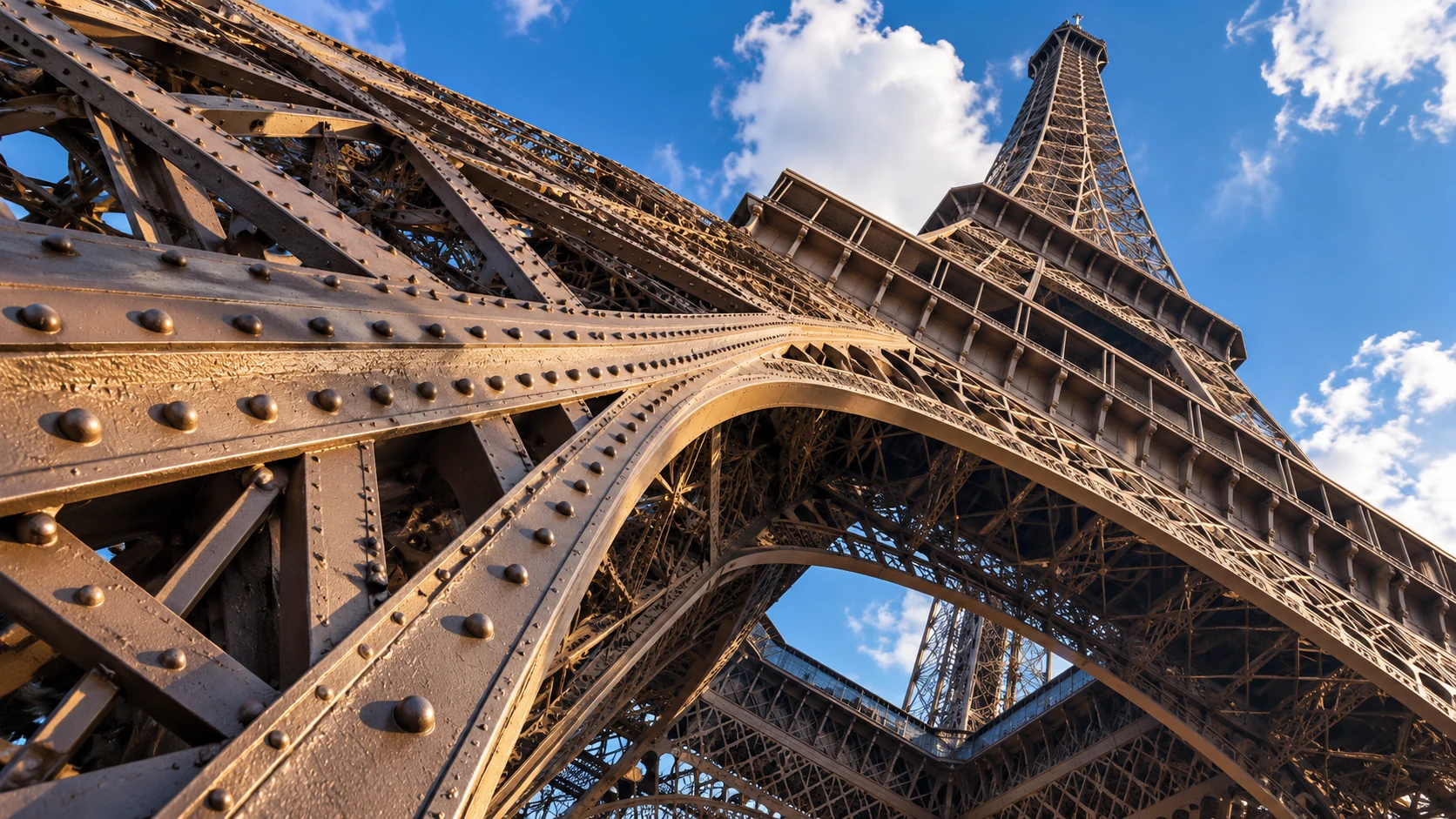
Picture the Eiffel Tower in red-brown. On March 31 in 1889, when Gustave Eiffel inaugurated the structure, that was the color climbing into the Paris sky. The familiar silhouette has had more than one wardrobe.
Eiffel raised a French flag at the top with colleagues and officials present. Down below, the project still had work to do: the interiors were unfinished, and the tower would open to the public on May 15. Its hydraulic elevators weren't operating yet either. The ceremony, the visitor opening, and the arrival of elevator service belonged to different moments in the tower's early life.
That distinction is easy to lose in a one-line anniversary caption. It is also part of what makes the story interesting. Even a landmark can have a grand entrance while the less photogenic details are still being finished.
A coat with a job to do
The tower was built from puddle iron. Its paint has always had work beyond looking good: the coating helps protect the iron from oxidation. Before assembly, the components received Venetian red paint in Eiffel's workshop. A thicker reddish-brown coat followed for the 1889 World's Fair.
Later campaigns changed the appearance again. In 1899, painters used a sequence of shades from orange-yellow low down to lighter yellow above. The tower's official history describes color as both a protective system and a carefully managed visual effect. From the ground, a huge structure has to read as a whole against a changing sky.
It is a satisfying detail to notice on a second look. A surface that seems simply to be metal is also the result of decisions about coatings, exposure, and appearance. The finish is part of the object, not an optional layer of decoration.
A postcard cannot tell you all of that. Neither can a quick glance at a shiny office door frame.
Before the polish, identify the finish
In a workplace, metal may be painted, plated, coated, or exposed. The useful first question is what finish you are looking at and which care instructions belong to it. Furniture manufacturer Herman Miller, for example, provides separate guidance for coated metal and other finishes, including restrictions on cleaners that could damage its coatings. Those instructions apply to its products; another manufacturer's finish needs its own directions.
For a business owner, a simple finish record can make the cleaning conversation much clearer. Include the item, any known manufacturer, and the location of its care guidance. Flag peeling coatings or visible corrosion for the person responsible for maintenance instead of making a cosmetic result the only goal. Cleaning and coating repair need clear boundaries.
For an office in Chino, a good first impression begins beneath the shine. Talk with JLV about your cleaning priorities and the finishes that make your space distinctive. Let's make the next step an informed one.